Trump signals diplomacy with Iran as Hormuz talks continue
(Bloomberg) – U.S. President Donald Trump said he’d prefer to avoid another escalation in the war with Iran and urged Tehran to make a deal, laying the ground for further diplomacy after both sides paused tit-for-tat strikes.
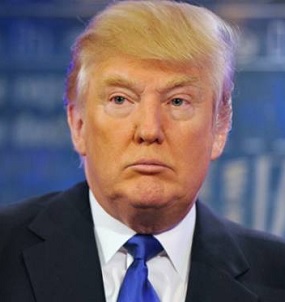
“I think we have a very strong position right now,” Trump said in an interview with Fox News on Tuesday. He reiterated threats to bomb Iran’s major bridges if no agreement can be reached, but added “if I can avoid doing that, I’d like to do that.”
His comments came four days after the U.S. ended roughly two weeks of strikes on the Islamic Republic following a breakdown in peace negotiations over the Strait of Hormuz, with Iran in turn pausing retaliatory fire on Gulf states. The focus has since turned to talks between Iran and Oman over restarting traffic in the strait, which has become the chief bone of contention in the five-month conflict.
Omani and Iranian negotiators met in Tehran over the weekend and discussions are ongoing, according to people familiar with the situation, asking not to be identified referring to sensitive matters. A deal to get ships moving through the waterway more frequently would enable the Islamic Republic and the U.S. to resume formal negotiations about Tehran’s nuclear program and permanently end their war, the people said.
Omani officials hope to make an announcement signaling progress in the next few days, the people said, though there’s no guarantee that will happen.
Brent crude oil has slumped to $86 a barrel since the sides paused skirmishes on Friday. It soared to more than $100 on Thursday following the flare up in fighting.
The oil price decline will likely ease pressure on Trump by triggering a fall in U.S. gasoline prices. Americans broadly oppose the war and that’s hit the standing of Trump’s Republican Party ahead of midterm elections in November.
Trump is due to meet Israeli Prime Minister Benjamin Netanyahu in Washington later on Tuesday. Netanyahu has said he plans to press the U.S. leader on keeping a “constant watch” on Iran’s nuclear program, one of many issues now in limbo following the breakdown of an interim peace deal from mid-June.
Tensions in the region remain high and shipping traffic through the Hormuz strait has slumped again. Hardly any vessels are moving through the waterway—at least with their transponders turned on—as Iran continues to threaten any that try to transit without its permission.
The U.S. has reinstated its own naval blockade to prevent ships docking in Iranian ports. “Iran doesn’t control the strait, we control the strait,” Trump told Fox News. “They can drop a couple of mines in there and screw things up, but we control the strait.”
The situation in the southern Red Sea and Bab el-Mandeb strait is similarly deadlocked after the Iran-backed Houthis last week warned ships not to call at Saudi Arabian ports.
Empty supertankers are heading to Egypt’s Mediterranean port of Sidi Kerir to collect Saudi crude as observable traffic at the kingdom’s key Red Sea export hub of Yanbu dwindles following the Houthis’ move, which has seen them attack ships and Saudi territory in recent days.
At least eight crude carriers are signaling Sidi Kerir and set to arrive in the coming weeks through to mid-August, ship-tracking data shows.
On Monday, the Houthis claimed they targeted Saudi oil facilities with drones, although they didn’t say when. Saudi Arabia hasn’t announced an attack from Yemen since Saturday morning, but did say on Monday it intercepted several drones launched from Iraq at petroleum facilities.