Oil & gas industry celebrates America’s semiquincentennial!
EDWARD CROSS, Chief Executive Officer, Illinois Oil & Gas Association

We are celebrating America’s 250-year anniversary this year. The nation’s semiquincentennial celebration creates a unique opportunity for our country to appreciate the historical significance of American oil and natural gas and spotlight our nation’s historical role as a leader in energy development. The history of the oil and natural gas industry is an American story. It is a story of daring talent, of dedication to an idea, even if the odds are great, and of the unshakeable belief that in America, all things are possible.
Amid global volatility, persistent inflation pressures, and renewed political debate over how we power our economy, one fact remains clear: progress in energy development is driven by results, not rhetoric.
After nearly 40 years in oil and gas and over 23 years advocating for the industry, I can tell you that talk does not grow jobs, stabilize energy markets, or keep the lights on and houses warm during times of uncertainty. Performance does. Investment does. Innovation does.
Geopolitical struggles today have nations around the world thinking hard about security, and that includes where their energy comes from.
Role of oil and gas in U.S. history. In challenging times, maybe it helps to recall relevant moments from our past. The American oil and gas industry was a leader and innovator of 20th century technologies that expanded oil production in times when more energy was critical for our nation. The discovery of El Dorado field in Kansas in 1915 was one of the largest oil strikes of that time. Indeed, the Allied Forces High Command recognized the need for oil during World War One.
At the height of World War Two, our allies in Great Britain were facing a severe energy shortage. Supplies from the Middle East were hindered by enemy movements, and oil tankers were under attack by U-boats just off America’s coast.
Energy played a critical role in the Allies’ victory in Europe and Japan. The lessons we learned during World Wars One and Two have served our nation well. We invested in homegrown energy; Presidents in both parties recognized the importance of American energy leadership; and there was a bipartisan consensus that America would be an energy leader for decades to come.
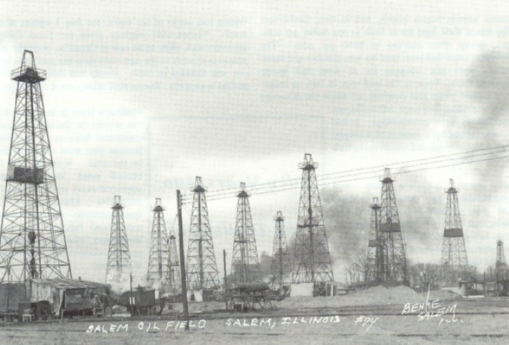
As a result of that great consensus, the United States became the world leader in oil and natural gas production. We beat out Russia and Saudi Arabia to be the source of energy that the world needed. Illinois produced 147.6 MMbbl of oil (11% of overall U.S. oil production) in 1940, outpacing Iran and Iraq’s combined output, Fig. 1. The surge in Illinois production couldn’t have come at a more critical time for the U.S., as the state’s high oil production from 1940 to 1945 helped the Allied Forces emerge victorious in World War Two.
Fast-forward a bit, and a historic pandemic slowed production because of a supply-and-demand imbalance. Following the pandemic, policies in Washington, made in haste and without an appreciation for our shared history, hindered American development and investment.
Today, despite market challenges, the American oil and gas industry has set many performance records, including production of crude oil, natural gas and NGLs. This production performance demonstrates how the U.S. oil and gas industry continues to adapt by increasingly utilizing resources produced here at home. The remarkable industry performance has strengthened U.S. energy security and supported global energy stability.
This performance is no accident. It reflects the American industry’s long-standing commitment to reliability over rhetoric, and pragmatism over politics. Science-based rules and free-market principles deliver affordable energy and broad-based economic opportunity. Sustaining this progress requires policies that build on success and encourage investment in innovation and infrastructure of all kinds.
At every critical moment of World War Two, there is a lesson for us to remember, as we deal with today’s energy challenges. Japan attacked Pearl Harbor to protect their Western Front as they pursued their energy needs in Southeast Asia. Germany’s war effort was punctuated by a lack of energy supplies as they pursued domination. Indeed, Germany literally ran out of gas, as they planned their siege of Moscow. On the other side, the United States provided 90% of the oil that the allies used to win the war.
Much has happened over the years. Washington seemed to forget many of the facts and critical lessons of the past. But everything changed when Russia invaded Ukraine, followed by the onset of hostilities in the Middle East that resulted in the Strait of Hormuz becoming functionally impaired. Suddenly, energy regained the important role that it should have in the minds of policymakers.
In times of challenge for Western countries, it’s good to remember that American ingenuity can make all the difference. The lesson is relevant today, because many of our friends in Europe are making fundamental changes in energy policy. And they are able to do that only because America is here to back them up.
There is much uncertainty about these conflicts and how they will play out. But our friends in Europe and around the world know that some energy from Russia and Iran can be replaced by reliable energy from America.
These events have brought us another moment of clarity. We see friendly nations left vulnerable, and we never want to be in that position ourselves. As much as ever, we must act to stay in command of our energy future. That means recognizing energy from oil and gas as the critical asset it is to America and never taking it for granted.
Future supplies. Setting ideology aside, most everyone knows that the world needs oil and gas in a big way and will for decades. The only question is where that oil and natural gas will come from. As our friends in Europe have learned the hard way, you don’t want to rely on an energy supplier who might quickly turn hostile.
The plain fact is that if nations do not control their own energy, their fate is in the hands of others. And we must never let that happen to the United States. We worked hard to achieve energy security and put America in a position of strength and greater independence. It would be foolish, and even tragic, to ever give it up.
That alone is a powerful argument for more investment, more exploration, and more innovation to keep us in a commanding position, no matter what the future might bring. Energy policy does not have to be an endless series of crisis management decisions. Our aim should be to avoid crisis, by shaping events instead of waiting on them.
The politics of oil and natural gas are serious business. Energy policy is not a Republican or Democrat issue but an American prosperity issue. The challenges facing the American oil and gas industry today have increased in number and complexity. Operational and financial pressures have risen, even as oil and gas demand remain solid. How policy, pricing and productivity interact in the coming months will determine growth potential. Sustaining growth in the American oil and gas industry will depend on staying ahead of challenges in a rapidly evolving energy landscape.
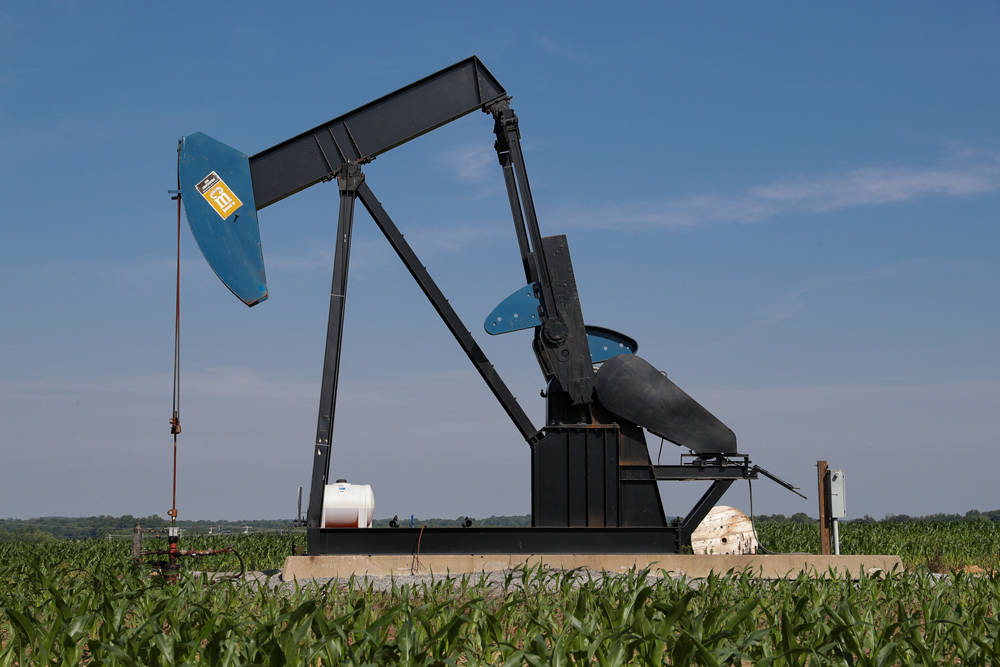
One fundamental fact that should be remembered is that fossil fuels will continue to take the lead in providing most of the world’s energy needs well into this century. The U.S. Energy Information Administration (EIA) estimates that fossil fuels will account for 69% of our country’s energy consumption by 2045, and oil and natural gas will supply nearly 50% of U.S. energy needs by 2045, Fig. 2. Globally, the EIA projects that by 2050, world energy demand will increase 24%, and 50% of that demand will be supplied by oil and natural gas.
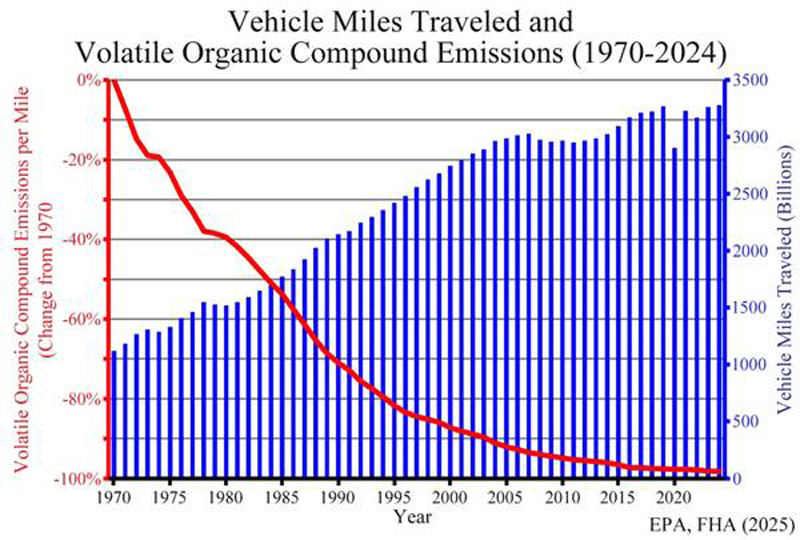
Here’s another fact: as the oil and gas industry has proved for many years, increased domestic energy production does not equate to increased environmental impact.
The U.S. reduced carbon emissions 15% between 2000 and 2025. Additionally, according to EPA, American oil and gas producers have reduced methane emissions 42% during the 2015-2023 timeframe while increasing oil and gas production by almost 50% over that same time frame. All of which makes the U.S. not just an energy superpower, but also a global emissions reduction leader, Fig. 3.
The oil and gas industry has proven that over the long term, it is possible to lead in energy production AND safe and environmental stewardship. Those are the facts.
Current and future energy policy. The fundamental change under the Trump administration for the oil and gas industry is that market realities and a respect for consumers and their preferences drive smarter regulations that focus on protecting the environment, growing the economy, and allowing industry to do what we do best—providing safe and reliable energy and creating well-paying jobs.
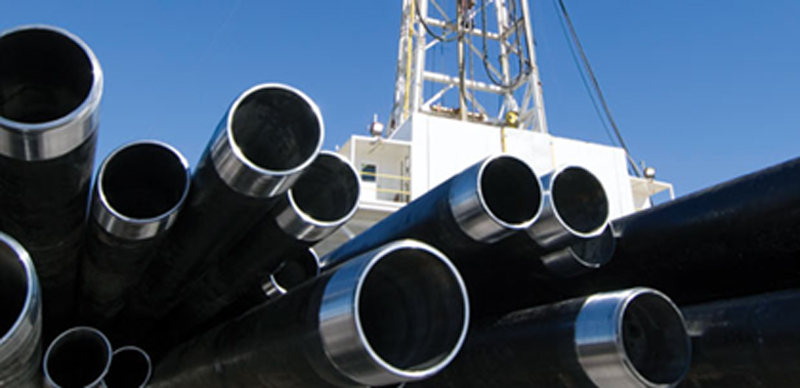
Going forward, we need a national energy policy based on science, the free market, and entrepreneurial spirit. Those who act on our behalf at all levels of government should use those principles as the foundation for their energy policy decisions. All Americans benefit from a safe, environmentally responsible and thriving oil and gas industry, Fig. 4. And they recognize the importance of letting market forces, not government mandates, drive energy policies.
At a time when energy debates are often driven by competing narratives, the industry’s continued strong performance and unmatched economic impact underscore a simple truth: America runs on oil and natural gas, made possible by millions of skilled men and women, who rise before the sun to keep our economy moving and our communities secure. By building on what works, we can ensure that this progress continues for every American, well into the future.
In his 1946 Independence Day speech, as a candidate for Congress, John F. Kennedy said, “Eternal vigilance is the price of liberty.” Those words were never so true. Freedom and independence are never permanently secured or automatically guaranteed. We must actively stay informed, engaged and involved to protect our energy independence. The independent ideology of the American people is a fundamental element of our society and a key to our nation’s prosperity. We must protect that independence at all costs.

EDWARD CROSS serves as Chief Executive Officer of the Illinois Oil & Gas Association, where he is responsible for public policy advocacy and interaction with external stakeholders, including elected officials, regulators, government decision-makers, and community leaders. Mr. Cross began this position on Jan. 1, 2025. Previously, he served as President and COO of the Kansas Independent Oil & Gas Association since September 2003. He serves as an executive board member of the Domestic Energy Producers Alliance and a partnering society member of the Council for a Secure America (CSA). Mr. Cross is an active member of the Independent Petroleum Association of America (IPAA) and serves as an advisory committee member to the U.S. Global Leadership Coalition. He also serves as Secretary/Treasurer of the Liaison Committee of Cooperating Oil and Gas Associations, a network of state and regional trade associations that represent the independent oil and gas exploration and production industry in the U.S. He is responsible for coordinating that organization’s efforts. He is a licensed professional geologist and holds a B.S. degree in geology and an M.B.A. from Southern Illinois University.
Related Articles- The high-value pull of PMMs (June)
- What's new in exploration: Financial distractions, investor rationalizations, exploration laments (May)
- John Henry vs the steam drill: Will the robots win? (May)
- IPAA’s annual meeting to re-visit site of association’s founding (April)
- Trade associations provide connection that will carry industry forward (March)
- Drilling advances: Bottlenecks? What bottlenecks? (January)