The high-value pull of PMMs
FEDERICO HARTE, PE, Weatherford
IMPROVING ARTIFICIAL LIFT PERFORMANCE THROUGH PMM TECHNOLOGY
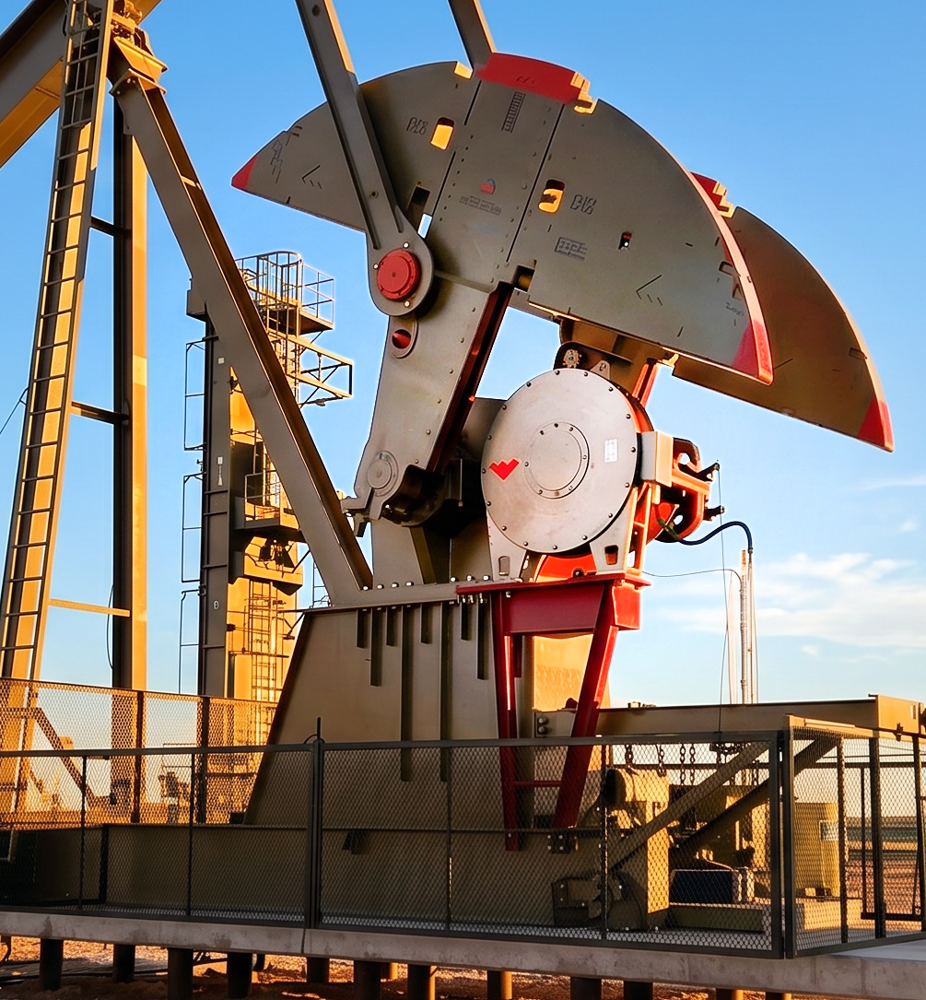
In today’s energy landscape, operators are under pressure to improve lift efficiency, reduce emissions, and strengthen safety at the wellsite. In artificial lift systems, surface-drive inefficiencies, mechanical losses, and maintenance-heavy designs can significantly increase operating costs over the life of a well.
To address this challenge, Weatherford has begun integrating permanent magnet motor (PMM) technology into its artificial lift portfolio in 2022, aiming to deliver a more efficient, reliable, and environmentally responsible drive solution. Since then, the company has deployed more than 600 PMMs worldwide, helping establish the technology as a new benchmark in artificial lift performance.
At its core, the PMM is an AC-synchronous, direct-drive system designed to outperform conventional induction motors in rod-lift, progressing cavity pump, and hydraulic-lift applications, Fig. 1. Instead of relying on induced rotor current, it uses embedded permanent magnets to create a continuous magnetic field. This eliminates rotor slip, improves efficiency across a broader operating range, and delivers high torque at low speed. The PMM is positioned as a high-torque, low-speed solution that can achieve a 99% power factor and up to 98% efficiency, with energy savings typically ranging from 15% to 30%, compared with conventional motor systems.
Beyond those electrical advantages, PMM technology changes how power is delivered to the pumping unit at the surface. Because torque is produced more directly, the motor responds more efficiently to changing load conditions throughout the stroke cycle. That matters in reciprocating rod-lift systems, where polished-rod load, fluid level, and pump fillage can shift over time and place uneven demands on the drive. A PMM’s ability to maintain strong torque output at low speed helps smooth operation during start-up and under variable loading, reducing the likelihood of inefficient cycling and improving overall control of the lifting process.
SIMPLIFYING SURFACE SYSTEMS AND IMPROVING EFFICIENCY
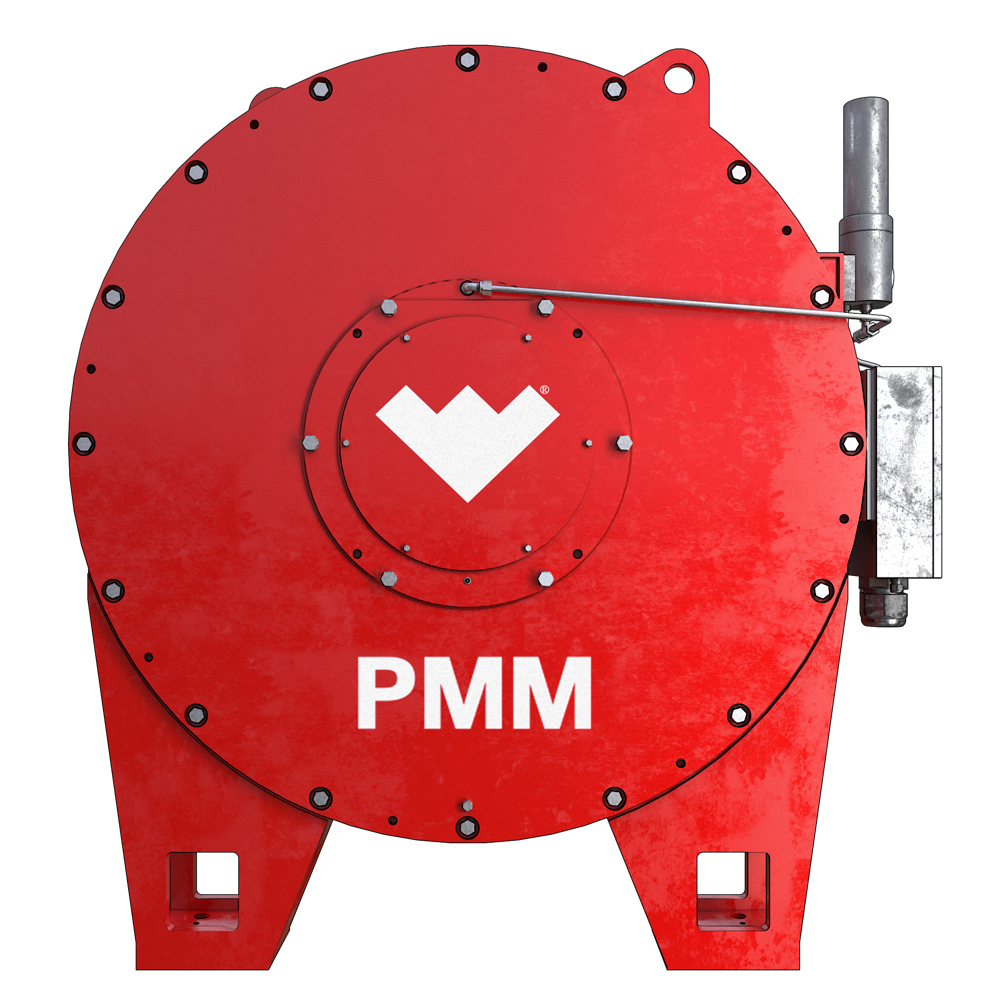
The direct-drive architecture also simplifies the surface system in ways that are technically significant, not just operationally convenient. Removing sheaves, belts, and related power-transmission components reduces parasitic losses between the motor and the pumping unit, so more of the input energy is converted into useful lifting work, Fig. 2. It also removes components that are commonly affected by tensioning, misalignment and wear, which can degrade performance gradually, even before a failure occurs.
In addition, the absence of rotor-induced heat lowers thermal stress on bearings and insulation, which can support longer service life and more stable performance in demanding field environments. For operators, these design characteristics translate into lower maintenance requirements, improved uptime, and a more predictable energy profile—advantages that are increasingly important, as artificial lift programs are asked to meet both production targets and emissions-reduction goals.
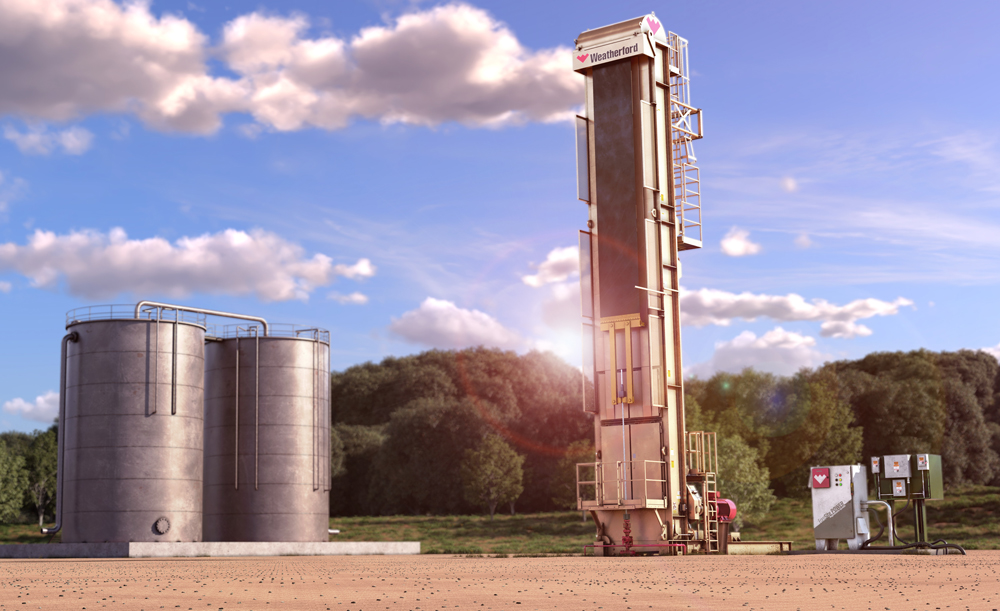
The benefits become even more pronounced when PMMs are paired with more efficient lifting systems like the long-stroke pumping unit, Fig. 3. These are well-suited for deep, high-volume, and challenging wells, because their long, slow stroke improves pump fillage, enhances lifting efficiency, and reduces downhole wear. The geometry and counterbalance design can also reduce rod wear and downhole failures while enabling earlier transition to high-performance rod lift in demanding wells. Adding a PMM improves torque delivery and speed control, creating a surface system that handles variable loads more smoothly and with lower energy consumption.
Weatherford has extended this efficiency story even further by adding a regenerative power system with variable-speed drive—together designed to capture and reuse energy generated during rod-lift operation, rather than dissipating it as heat. In conventional VSD configurations, regenerative energy produced during deceleration is often burned off through resistor modules. This equation is amplified by recycling, storing, and optimizing power, so generated energy can be returned to the system when needed—an industry-first integration. This has proved especially valuable on long-stroke units, where dynamic load changes create recurring opportunities to recover otherwise wasted energy.
FIELD RESULTS DEMONSTRATE MEASURABLE IMPACT
This integrated efficiency system, featuring a long-stroke pumping unit, PMM, and regenerative VSD, is combined into a single production concept intended to maximize output while minimizing energy consumption. Weatherford describes the amalgamation as the industry’s first combination of high-volume long-stroke rod lift, direct-drive PMM performance, and regenerative power management. Field applications have shown meaningful reductions in power use, improved reliability, and stronger safety performance through the removal of rotating equipment and related maintenance exposure.
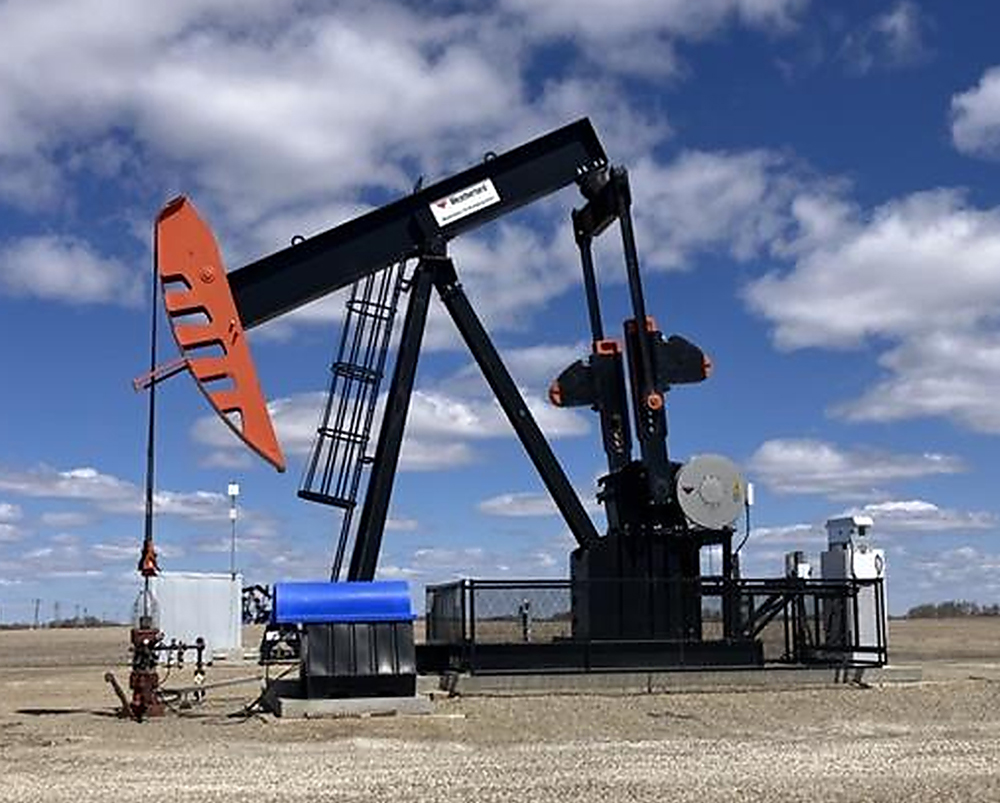
Field results help explain why the technology has gained traction. For example, in Pipestone, Manitoba, Canada (Fig. 4), Weatherford retrofitted a 30-hp PMM onto a conventional reciprocating rod-lift system to compare performance against a conventional induction motor over a 12-month period. The operator used 15-day and 30-day monitoring cycles to document power consumption under comparable operating conditions. Over the course of the trial, the PMM configuration delivered an approximate 51.73% reduction in power usage, equivalent to more than $5,598 in annual savings. Just as important, the beltless PMM ran consistently throughout the program without adjustment or maintenance, showing that retrofit opportunities can unlock substantial energy savings in established rod-lift fleets.
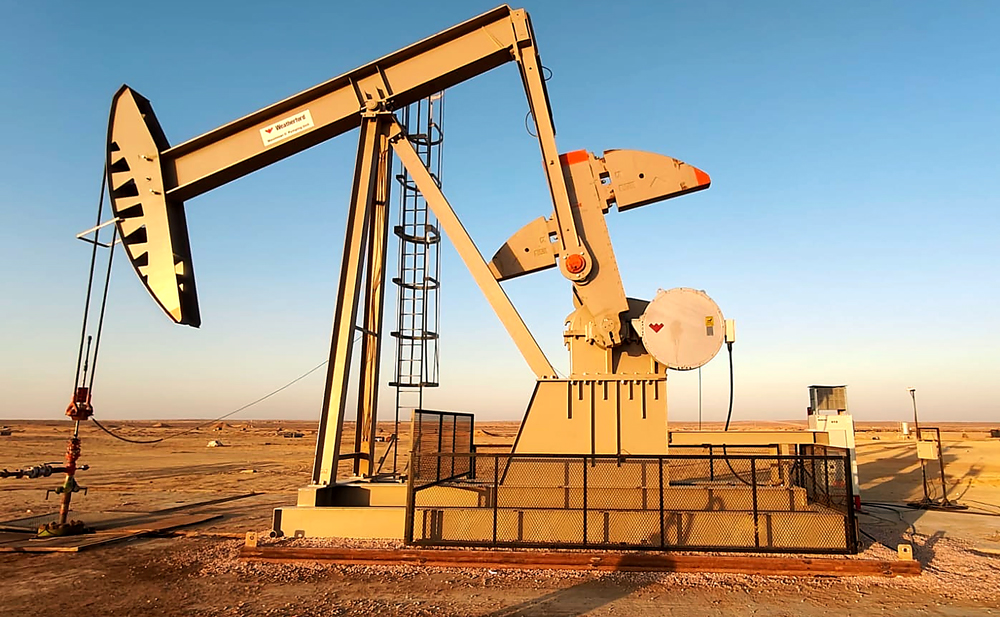
A second proof point comes from western Egypt (Fig. 5), where Weatherford deployed a PMM-driven surface unit in the first PMM pilot of its kind in Egypt and the broader MENA region. The operator was seeking a scalable energy-reduction model for remote wells powered by diesel generators, rather than the national grid.
In the pilot area, each generator consumed roughly 180 liters of fuel per day and emitted about 482 kg of CO₂ daily. After a six-week field evaluation, the PMM trial reduced diesel consumption by 33%, cutting usage to 120 liters per day and lowering emissions by about 160 kg of CO₂ per day. The trial also eliminated maintenance associated with belts and alignments, improving reliability and reducing safety risks during service. Weatherford’s published results indicate that scaling the PMM approach across the remaining nine wells could save 219,000 liters of diesel and reduce emissions by 587 metric tons annually.
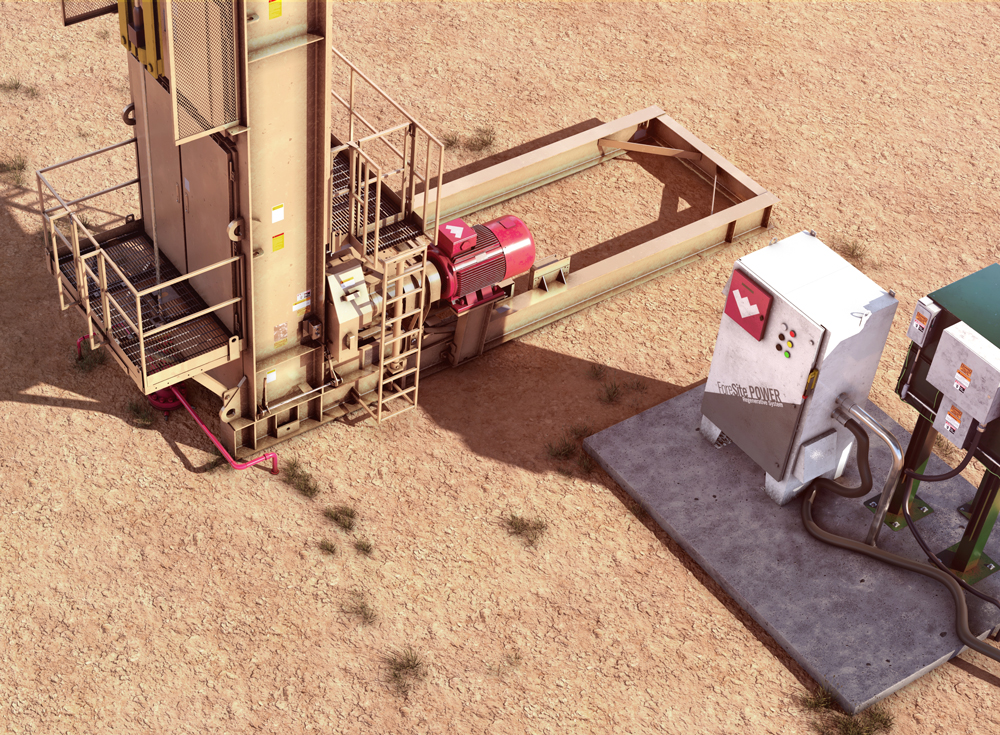
A third case study demonstrates the multiplier effect of combining PMM technology with long-stroke pumping and regenerative power management, Fig. 6. In New Mexico, Weatherford implemented a system consisting of a long-stroke pumping unit, a PMM, and a regenerative VSD on a 10,200-ft oil well. The objective was to reduce energy consumption and operating expenses, improve safety through better equipment design, and reduce downtime by using a system with fewer moving parts. The PMM contributed about 20% efficiency savings, while the regenerative VSD added roughly 17% effective system gain by capturing and reusing energy generated during pumping cycles. Together, the integrated solution reduced overall energy consumption by 37% while maintaining reliable production. The deployment also improved safety by removing rotating equipment and lowering the well’s overall CO2 production.
INTEGRATING PMMS FOR LONG-TERM ARTIFICIAL LIFT OPTIMIZATION
Taken together, these deployments show that PMM adoption is about more than improving motor efficiency. It reflects a broader redesign of artificial lift around direct-drive performance, lower power intensity, fewer mechanical failure points, and smarter energy use. For operators, the value is practical and measurable: lower utility or fuel costs, reduced maintenance, improved safety, and a smaller carbon footprint. As the industry continues to balance productivity, cost control, and sustainability, integrated systems, such as PMMs combined with long-stroke pumping units, and regenerative power with VSDs, offer a more efficient and resilient path forward for artificial lift.

FEDERICO HARTE, PE, is ALS product line champion at Weatherford. He has more than 13 years of experience in the oil and gas industry, with a strong technical background in global operations. He has field-proven expertise in the installation, operation and delivery of integrated solutions for long-stroke and conventional pumping units.
Related Articles- Faster well design is reshaping rod lift optimization (June)
- Oil & gas industry celebrates America’s semiquincentennial! (June)
- What's new in exploration: Financial distractions, investor rationalizations, exploration laments (May)
- John Henry vs the steam drill: Will the robots win? (May)
- IPAA’s annual meeting to re-visit site of association’s founding (April)
- Trade associations provide connection that will carry industry forward (March)